We all produce waste. It’s an inevitable part of daily life. But when it comes to hazardous waste, it’s not as simple as throwing something away. Items we may not think twice about—like batteries, old paint, or cleaning chemicals—can be incredibly dangerous to the environment and our health if not disposed of properly. Hazardous waste disposal Los Angeles is something we should all care about, not just for the well-being of the planet, but for our own safety too. The good news is that with a few small, mindful steps, we can help prevent these dangerous substances from causing harm. It’s all about taking responsibility and making better choices for the world around us.
What Is Hazardous Waste?
Hazardous waste refers to anything that has the potential to be harmful to living beings or the environment. It could be anything from chemicals and pesticides to things you might find in your everyday trash, like batteries, fluorescent bulbs, or certain types of old electronics. While some of these materials are easy to spot, others are hidden in everyday products that might not seem harmful at first glance. But when they’re disposed of incorrectly, they can leach into the soil, contaminate water supplies, and even pollute the air.
Imagine a small battery tossed in the trash. It might seem harmless, but inside, there are chemicals that can slowly leak and damage the environment. Or think about a can of paint being poured down the drain—those toxins make their way into our rivers and oceans, where they affect everything from wildlife to our own health. This is why hazardous waste disposal Hartford is so important. We need to handle it with care, and ensure it doesn’t end up in places where it can do serious harm.
Why Does Hazardous Waste Disposal Matter?
It’s easy to dismiss something like hazardous waste as a problem for factories or large corporations to deal with, but the truth is that we all contribute to it in some way. Whether it’s an old computer, expired cleaning products, or batteries that have lived past their prime, hazardous materials are in our lives in ways we often overlook.
When disposed of incorrectly, hazardous waste doesn’t just disappear. It can seep into the environment, causing contamination that can affect the air we breathe, the water we drink, and the food we eat. Wildlife can be poisoned by toxic waste in water, and harmful chemicals can end up in the soil, which affects our crops and food supply.
The good news is, we all have the power to prevent that. Proper hazardous waste disposal Miami isn’t just about following rules—it’s about creating a cleaner, safer world for everyone.
How Do We Dispose of Hazardous Waste the Right Way?
So how do we keep hazardous waste from being a danger to our health and environment? The key is understanding that these materials require special care, and they shouldn’t just be thrown out with regular trash. Here’s how we can properly dispose of hazardous waste:
-
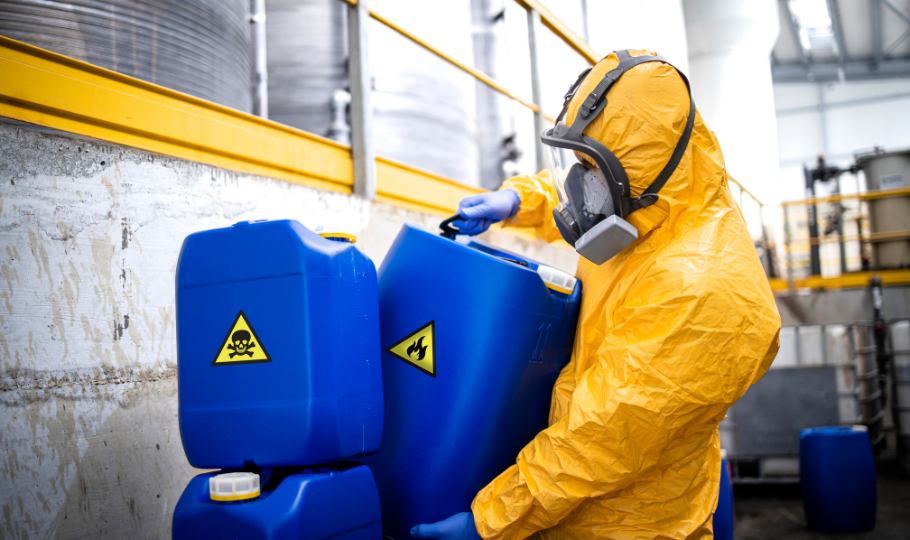
Identify It: The first step is knowing what qualifies as hazardous waste. Some things are obvious, like old paint or chemicals, but other items are less so. If you’re not sure whether something is hazardous, check the labels. Anything that says “toxic,” “flammable,” or “corrosive” needs to be handled with care. Many electronics, batteries, and even old light bulbs contain hazardous materials.
-
Separate It: Once you’ve identified what needs to be disposed of, make sure it’s kept separate from regular waste. Don’t toss it in with your everyday trash, as that can cause it to leak or spill, potentially contaminating the environment.
-
Store It Safely: If you’re not able to dispose of the waste immediately, make sure it’s stored safely. Keep hazardous items in a cool, dry place, away from children or pets, and never leave them in a place where they could spill.
-
Take It to a Special Facility: The next step is to take your hazardous waste to the right place. Many communities have designated disposal events or facilities where you can drop off materials like batteries, old electronics, and chemicals. These places are equipped to safely handle hazardous waste, so it doesn’t harm the environment.
Why We Need Regulations for Hazardous Waste
You might be thinking, “Doesn’t someone else deal with this?” And you’d be right to wonder. There are regulations in place designed to protect both the environment and public health from hazardous waste. Agencies like the Environmental Protection Agency (EPA) have established rules about how hazardous waste should be handled, from storage to disposal. These regulations are critical because, without them, we’d have businesses and people unknowingly dumping harmful substances into the environment, risking serious consequences.
These regulations help ensure that hazardous waste doesn’t go unchecked. They hold industries accountable, but they also help educate us as individuals about how we can dispose of materials safely. It’s not just about following rules—it’s about doing our part to keep the planet healthy.
Recycling and Reusing: A Better Way
One of the most powerful ways to reduce hazardous waste is to recycle and reuse materials. Many of the items we throw away—like electronics, batteries, and even some metals—can be recycled. Recycling not only reduces the amount of waste we produce, but it also minimizes the need for new raw materials, which helps protect the environment.
For example, when you recycle old electronics, the precious metals inside, like gold and copper, can be extracted and used again, keeping them out of landfills. Similarly, many chemicals used in manufacturing can be treated and reused rather than disposed of.
By supporting recycling efforts, we help reduce the amount of hazardous waste that ends up in landfills or incinerators. It’s about closing the loop—using what we already have in smarter, more sustainable ways.
What You Can Do to Help
You might be wondering, “What can I really do to make a difference?” The good news is, every small step counts. Here’s how you can contribute:
-
Dispose of Household Hazardous Waste Properly: Have old batteries, cleaning products, or expired medications? Instead of tossing them in the trash, take them to a local hazardous waste disposal Atlanta facility or a special collection event. It’s easy and helps prevent harmful chemicals from polluting the environment.
-
Choose Safer Alternatives: Look for non-toxic, eco-friendly alternatives for products like cleaners, paints, and pest control. These options are just as effective but safer for both you and the environment.
-
Support Sustainable Practices: Choose brands that take responsibility for their environmental impact. Whether it’s through eco-friendly packaging or offering products designed for proper disposal, supporting sustainable businesses makes a difference.
-
Spread the Word: Share what you’ve learned with friends and family. The more people who understand the importance of hazardous waste disposal Chicago, the more we can collectively reduce the risks associated with hazardous materials.
Conclusion: Making a Better Future Together
At the end of the day, hazardous waste disposal Joliet is about more than just following rules. It’s about taking responsibility for our actions and making small choices that lead to big changes. We all play a part in protecting the planet, and by taking a few extra steps to dispose of hazardous waste safely, we can make a real difference.
Every time we choose to recycle, take waste to a proper disposal site, or educate others, we’re helping build a safer, healthier world. It doesn’t take much—just a little awareness and care to ensure that we’re leaving a better planet behind for future generations. Together, we can make that happen.