Tuckpointing near me in Chicago, IL

Masonry structures are valued for their durability, timeless design, and ability to withstand the elements. From historic landmarks to modern buildings, masonry can last for generations with the proper care. However, even the most resilient structures benefit from maintenance. In this article, we’ll explore the typical lifespan of masonry and share actionable tips to extend it. Professional services like tuckpointing near me in Chicago, IL can play a key role in preserving the integrity of your masonry.

How Long Do Masonry Structures Last?

The longevity of masonry depends on the materials used, the quality of construction, and exposure to environmental conditions. Here’s a general idea of how long different types of masonry can last:

  1. Brick Masonry: With proper upkeep, bricks can endure for over 100 years.
  2. Stone Masonry: Natural stone is one of the most enduring materials, often lasting centuries.
  3. Concrete Masonry: Concrete blocks, while not as durable as stone, can still last 50-100 years with maintenance.

However, external factors like water infiltration, temperature changes, and neglected repairs can shorten these lifespans significantly.

Common Challenges to Masonry Longevity

Masonry is tough, but it’s not invincible. These are some of the most common issues that can affect its lifespan:

  1. Moisture Damage: Water entering cracks or joints can lead to erosion and structural weakening.
  2. Freeze-Thaw Cycles: Water trapped in masonry expands when it freezes, causing cracks and surface damage.
  3. Foundation Shifting: Uneven settling of the foundation can stress masonry, leading to visible cracks.
  4. Neglected Maintenance: Small problems, such as crumbling mortar or minor cracks, can escalate if not addressed promptly.

Tips to Extend the Life of Your Masonry Structure

To keep your masonry looking great and functioning well for decades, follow these essential maintenance steps:

  1. Schedule Regular Inspections

    Annual inspections by professionals can identify early signs of wear. Services like tuckpointing can address mortar issues before they compromise the structure’s stability.

  2. Invest in Tuckpointing

    Mortar between bricks or stones deteriorates over time. Tuckpointing replaces this worn mortar with fresh material, restoring both strength and appearance while preventing further damage.

  3. Apply Sealants or Waterproofing

    Protect your masonry from moisture with a high-quality sealant. This is especially important in regions with heavy rain or snowfall.

  4. Repair Cracks Immediately

    Even small cracks can expand over time. Prompt repairs prevent moisture from seeping in and causing more extensive damage.

  5. Maintain Proper Drainage

    Keep water away from your foundation by ensuring gutters, downspouts, and drainage systems are functioning properly. Excess moisture can accelerate masonry deterioration.

  6. Control Vegetation Growth

    While plants and vines may look appealing, they can trap moisture and weaken mortar joints. Regularly remove vegetation from masonry surfaces.

  7. Work with Experienced Professionals

    Whether it’s a simple repair or a full restoration, hiring experts skilled in masonry care and tuckpointing ensures the job is done correctly and lasts for years.

Why Tuckpointing is Essential

Tuckpointing is one of the most effective ways to extend the life of masonry structures. By replacing deteriorated mortar with new material, it not only strengthens the structure but also enhances its aesthetic appeal. This process protects against water intrusion and prevents small issues from becoming major problems.

Hiring professionals for tuckpointing ensures that the work is done with precision, using high-quality materials to match the original look and feel of your masonry.

Masonry structures are built to last, but their longevity relies on proactive maintenance and care. Routine inspections, timely repairs, and services like tuckpointing are crucial for preserving their strength and beauty.

Industrial Demolition Philadelphia | Industrial Demolition & Metal Management

Reliable Industrial Demolition Philadelphia Services

Looking for reliable industrial demolition Philadelphia services? At Industrial Demolition & Metal Management, we specialize in industrial strip out and demolition solutions tailored to your needs. Our skilled team ensures that every industrial demolition Philadelphia project is completed efficiently, safely, and on time, eliminating the need for third-party contractors.
Trusted by major companies like Kellogg’s and Ford, we provide a range of services, including material removal, recycling, decommissioning, and cleaning. With decades of experience, we are the experts you can rely on for your industrial demolition Philadelphia projects. Contact us today to get started!

Foundation repair Near Chicago


The strength and stability of your home rest on its foundation, yet many homeowners overlook the environmental factors that can compromise it over time. Weather, soil, and water are key elements that can lead to significant foundation issues, potentially necessitating foundation repair Near Chicago. In this blog post, we’ll explore how these factors contribute to foundation damage and what steps you can take to prevent them.

Weather: The Silent Influencer

Weather conditions play a crucial role in the health of your home’s foundation. Seasonal changes can cause the ground beneath your house to expand or contract, leading to shifts that may crack or weaken the foundation.

  1. Temperature Extremes: High temperatures can dry out the soil, causing it to shrink and create gaps into which your foundation may settle unevenly. In contrast, freezing temperatures can cause soil to expand, exerting upward pressure on the foundation—a phenomenon known as frost heave.
  2. Rainfall Variations: Heavy rains saturate the soil, increasing its weight and the pressure it exerts against foundation walls. Drought conditions have the opposite effect, leading to soil shrinkage and foundation settling.

Prevention Tips:

  1. Use soaker hoses during dry spells to maintain consistent moisture levels around your foundation.
  2. Insulate your foundation to mitigate the effects of extreme temperature changes.

Soil: The Foundation’s Bedrock

The type of soil your home is built upon significantly influences the stability of your foundation.

  1. Expansive Soils: Soils rich in clay, such as bentonite or montmorillonite, absorb water and expand. This can exert pressure on foundation walls, leading to cracks or shifts that may require foundation repair.
  2. Improperly Compacted Soil: If the soil wasn’t adequately compacted before construction, it might settle unevenly over time, causing the foundation to sink or tilt.

Prevention Tips:

  1. Conduct a soil analysis before building to understand its properties.
  2. Ensure proper grading and compaction techniques are used during construction.

Water: The Hidden Threat

Water is essential for life but can be detrimental to your foundation if not properly managed.

  1. Hydrostatic Pressure: Accumulated water in the soil increases pressure against foundation walls, leading to cracks and leaks.
  2. Erosion: Water runoff can wash away soil from under the foundation, causing it to settle unevenly.
  3. Plumbing Leaks: Undetected leaks can saturate the soil, leading to similar issues caused by excessive rainfall.

Prevention Tips:

  1. Install and maintain gutters and downspouts to direct water away from your home.
  2. Ensure proper drainage around your property.
  3. Regularly inspect plumbing for leaks.

Protecting Your Home: When to Consider Foundation Repair

Early detection and proactive measures are key to preventing minor foundation issues from becoming major problems. Regular inspections can help you spot signs of damage, such as cracks in walls, sticking doors, or uneven floors.

If you notice any of these warning signs, it’s crucial to consult a professional for a thorough assessment. Timely foundation repair can restore your home’s integrity and prevent further damage.

Preventative Measures:

  1. Schedule annual foundation inspections.
  2. Keep trees and shrubs away from the foundation to prevent root damage.
  3. Use moisture barriers to control soil moisture levels.

Your home’s foundation is its backbone. Understanding the environmental factors that threaten it—weather, soil, and water—is essential for long-term durability. By taking proactive steps and seeking professional advice when needed, you can safeguard your home and potentially avoid costly foundation repair.

Remember, early detection and prevention are far better—and often less expensive—than dealing with extensive foundation damage down the line. Stay informed and vigilant to protect your investment.

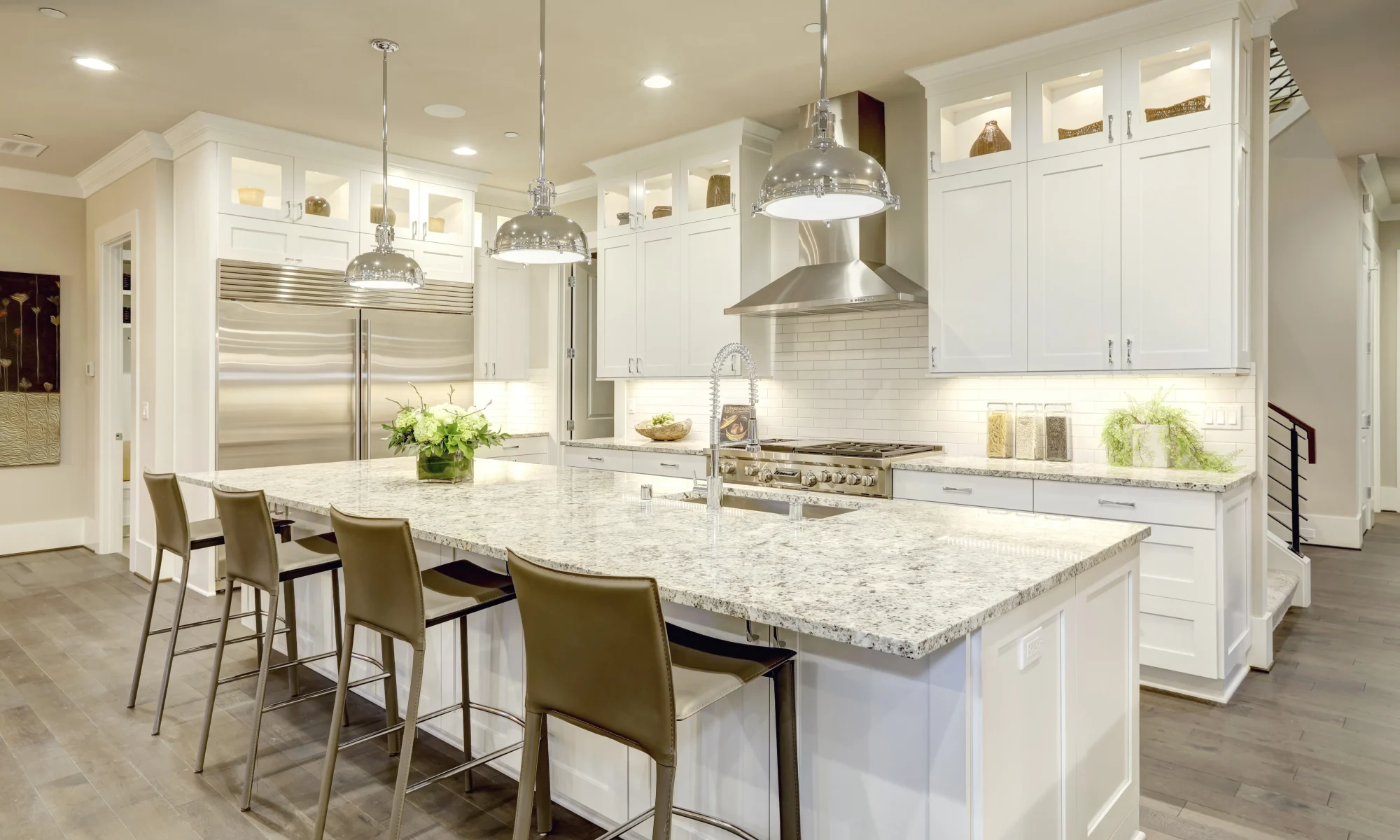
Kitchen remodeling near me


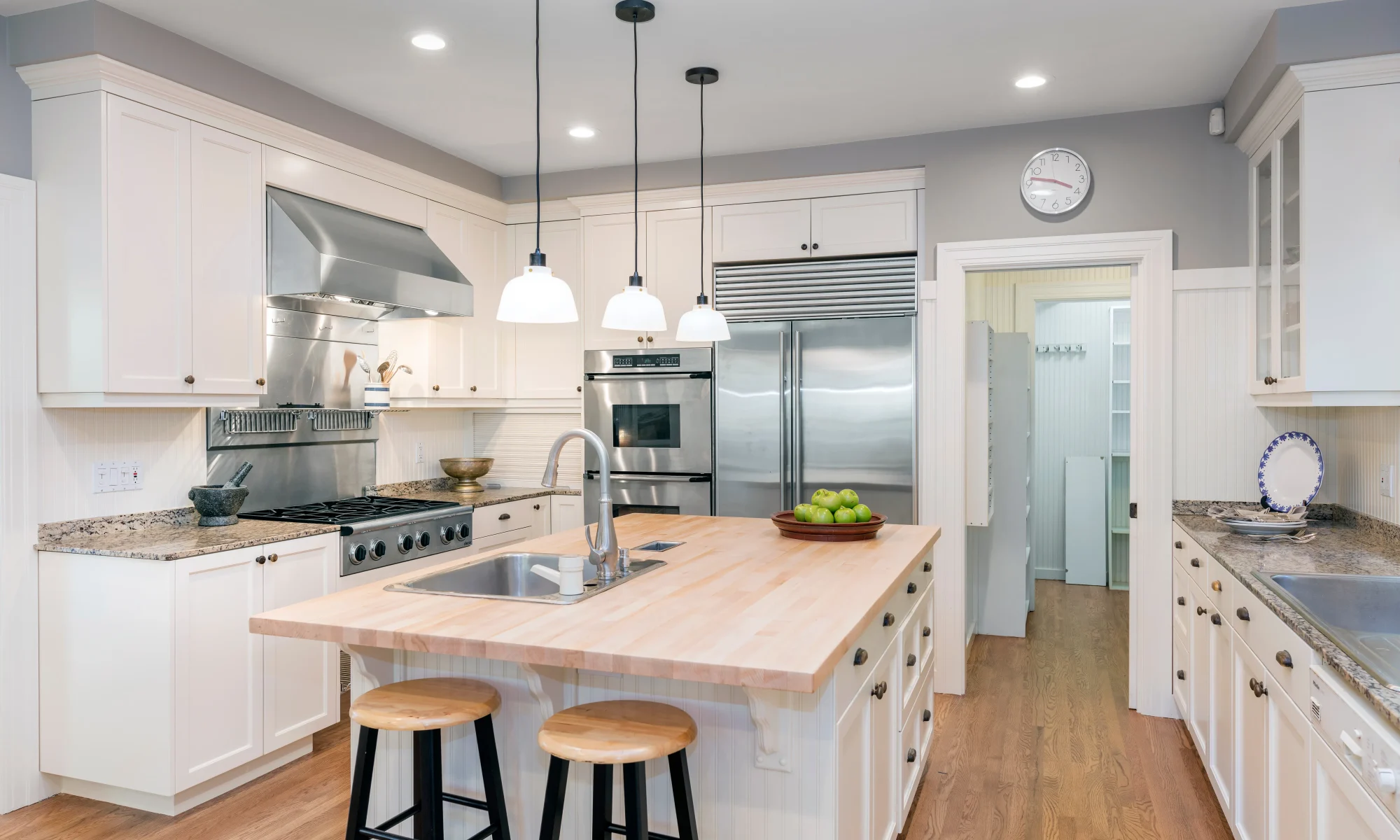
Undertaking a kitchen remodeling near me project is a significant endeavor that can greatly enhance the functionality and beauty of your home. However, without proper planning, it can become a daunting task. This comprehensive guide will walk you through each step of planning a successful kitchen remodel, focusing on budgeting, design considerations, and timeline management.

Step 1: Set Your Remodeling Goals

Evaluate Your Needs

  1. Functionality: Identify how your current kitchen falls short. Do you need more storage, better workflow, or updated appliances?
  2. Aesthetics: Determine the style and atmosphere you wish to create—modern, rustic, minimalist, etc.
  3. Lifestyle Considerations: Think about how you use your kitchen. Is it a family hub, an entertainment space, or primarily for cooking?

Prioritize Features

  1. Must-Haves: List essential features that are non-negotiable.
  2. Wish List: Include additional elements you’d love to have if the budget allows.

Step 2: Establish a Budget

Analyze Your Finances

  1. Total Available Funds: Calculate how much money you can realistically allocate to the kitchen remodeling project.
  2. Financing Options: Consider savings, loans, or refinancing if necessary.

Break Down Costs

  1. Allocate Spending: Assign percentages of your budget to different aspects of the remodel.
  2. Include Hidden Costs: Remember to factor in taxes, delivery fees, and potential dining out expenses during construction.

Plan for Contingencies

  1. Emergency Fund: Set aside at least 10% of your budget for unexpected costs.

Step 3: Design Your Dream Kitchen

Gather Inspiration

  1. Magazines and Websites: Collect images and articles that reflect your style preferences.
  2. Showrooms and Tours: Visit kitchen showrooms or open houses for real-life examples.

Consider Functionality

  1. Workflow Efficiency: Incorporate the kitchen work triangle concept for optimal placement of the sink, stove, and refrigerator.
  2. Storage Solutions: Plan for adequate cabinetry, pantry space, and specialized storage like spice racks or pot drawers.

Select a Style

  1. Consistency: Ensure the kitchen design complements the rest of your home.
  2. Personal Touches: Add elements that reflect your personality, such as custom backsplashes or unique hardware.

Step 4: Choose Materials and Finishes

Cabinets

  1. Material Selection: Opt for durable materials like solid wood or high-quality veneers.
  2. Style and Color: Choose cabinet designs and finishes that align with your aesthetic.

Countertops

  1. Material Options: Consider granite, quartz, laminate, or concrete based on durability and maintenance.
  2. Edge Profiles: Select from beveled, bullnose, or waterfall edges for added style.

Flooring

  1. Durability and Comfort: Evaluate materials like tile, hardwood, or cork.
  2. Safety: Opt for slip-resistant surfaces, especially in households with children or elderly residents.

Appliances

  1. Energy Efficiency: Select appliances with high energy ratings to save on utility bills.
  2. Finish Options: Stainless steel, black, or custom paneling to match cabinets.

Step 5: Plan the Layout and Lighting

Layout Considerations

  1. Space Optimization: Maximize counter space and ensure easy movement.
  2. Zoning: Designate areas for cooking, prep work, and cleaning.

Lighting Design

  1. Ambient Lighting: General lighting from ceiling fixtures or recessed lights.
  2. Task Lighting: Focused lighting over countertops, sinks, and stoves.
  3. Accent Lighting: Highlight architectural features or decorative elements.

Step 6: Hire the Right Professionals

Research Contractors

  1. Credentials: Verify licenses, insurance, and certifications.
  2. References: Check reviews and ask for referrals from past clients.

Get Detailed Estimates

  1. Multiple Quotes: Obtain at least three estimates to compare pricing and services.
  2. Scope of Work: Ensure each quote includes a detailed breakdown of labor and materials.

Check Communication Skills

  1. Responsiveness: Choose a contractor who communicates clearly and promptly.
  2. Comfort Level: Ensure you feel comfortable discussing ideas and concerns.

Step 7: Develop a Realistic Timeline

Project Phases

  1. Design and Planning: Typically takes 2-4 weeks.
  2. Ordering Materials: Allow 4-8 weeks for delivery of custom items.
  3. Construction: Can range from 6-12 weeks depending on the project’s complexity.

Schedule Flexibility

  1. Buffer Time: Include extra time for unforeseen delays.
  2. Milestones: Set target dates for each phase to track progress.

Step 8: Prepare for the Renovation

Set Up a Temporary Kitchen

  1. Essential Appliances: Relocate a microwave, toaster oven, and refrigerator if possible.
  2. Meal Planning: Plan simple meals or consider dining out options.

Protect Your Home

  1. Dust Control: Use plastic sheeting to seal off construction areas.
  2. Floor Protection: Lay down floor coverings in high-traffic areas.

Step 9: Monitor the Project

Regular Check-Ins

  1. Site Visits: Visit the worksite regularly to stay informed.
  2. Progress Updates: Request frequent updates from your contractor.

Quality Assurance

  1. Inspect Work: Ensure installations meet your expectations before moving to the next phase.
  2. Address Issues Promptly: Communicate any concerns immediately to avoid rework.

Step 10: Final Walkthrough and Completion

Punch List

  1. Identify Remaining Tasks: Create a list of any incomplete or unsatisfactory items.
  2. Final Payments: Hold off on final payment until all work is completed to your satisfaction.

Enjoy Your New Kitchen

  1. Cleanup: Ensure the contractor leaves your home clean and ready to use.
  2. Celebrate: Host a gathering to showcase your new kitchen and enjoy the fruits of your planning.

Planning a kitchen remodel is a multifaceted process that requires careful consideration of your needs, budget, and timeline. By following this step-by-step guide, you can approach your kitchen remodeling project with confidence and clarity. Remember, investing time in planning will pay off in a smooth renovation process and a kitchen that brings joy and functionality to your home for years to come.

Windows companies near me in Chicago


Replacing windows is a considerable home upgrade that not only enhances your home’s appearance but also improves energy efficiency and raises its value. However, budgeting for this endeavor can feel overwhelming. To assist you in planning effectively, windows companies suggest dividing the process into manageable steps to ensure you receive the best value for your investment.

1. Identify Your Objectives

Begin by assessing why you need new windows. Whether it’s for better insulation, updating the look, or repairing damaged frames, knowing your goals will help you prioritize features and define the project scope.

2. Explore Window Varieties and Materials

Window prices can differ greatly based on materials, styles, and features. Common choices include:

  1. Vinyl Windows: Economical, sturdy, and energy-efficient.
  2. Wood Windows: Elegant appearance but require more upkeep.
  3. Aluminum Windows: Contemporary and slim-lined but less insulating.
  4. Composite Windows: Offer a mix of durability, efficiency, and style.

Each option has its benefits and drawbacks, impacting your budget accordingly. Windows companies often offer detailed comparisons to help you make informed decisions.

3. Obtain Precise Measurements

Accurate measurements are essential for a reliable cost estimate. Hiring a professional or working directly with windows companies ensures accurate dimensions, reducing the likelihood of unexpected costs.

4. Establish Your Budget

With your needs and preferences clear, set a realistic budget. Additionally, include:

  1. Installation Costs
  2. Optional Features: Such as energy-efficient coatings, custom designs, or soundproofing.
  3. Permits and Fees: Some locales require permits for large-scale replacements.

5. Consider Financing Options

Many windows companies provide financing solutions to help manage costs. Low-interest loans or payment plans can make the project more feasible. Check with your selected company about available programs and eligibility.

6. Compare Multiple Quotes

Requesting quotes from several windows companies near me in Chicago is a wise strategy to find the best value. Ensure pricing transparency and be cautious of offers that seem too low. A trustworthy company will present a detailed cost breakdown.

7. Evaluate Long-Term Savings

While energy-efficient windows may cost more initially, they can lead to significant savings on energy bills over time. Look for windows with features like double or triple glazing, low-E coatings, and argon gas fills to enhance efficiency.

8. Plan for Unexpected Expenses

Unexpected issues, such as frame rot or updated building codes, can increase costs. Allocating an extra 10–15% of your budget for contingencies will help you handle surprises without stress.

9. Choose the Right Timing

The timing of your window replacement can affect costs. Many windows companies offer discounts during their off-peak seasons, typically in late fall or winter. Scheduling your project during these periods can save you money.

10. Ensure Professional Installation

Proper installation is as crucial as the quality of the windows themselves. Even the best energy-efficient windows won’t perform well if improperly installed. Hiring experienced professionals from windows companies ensures a precise fit and long-lasting results.

Bathroom remodeling near me in Naperville


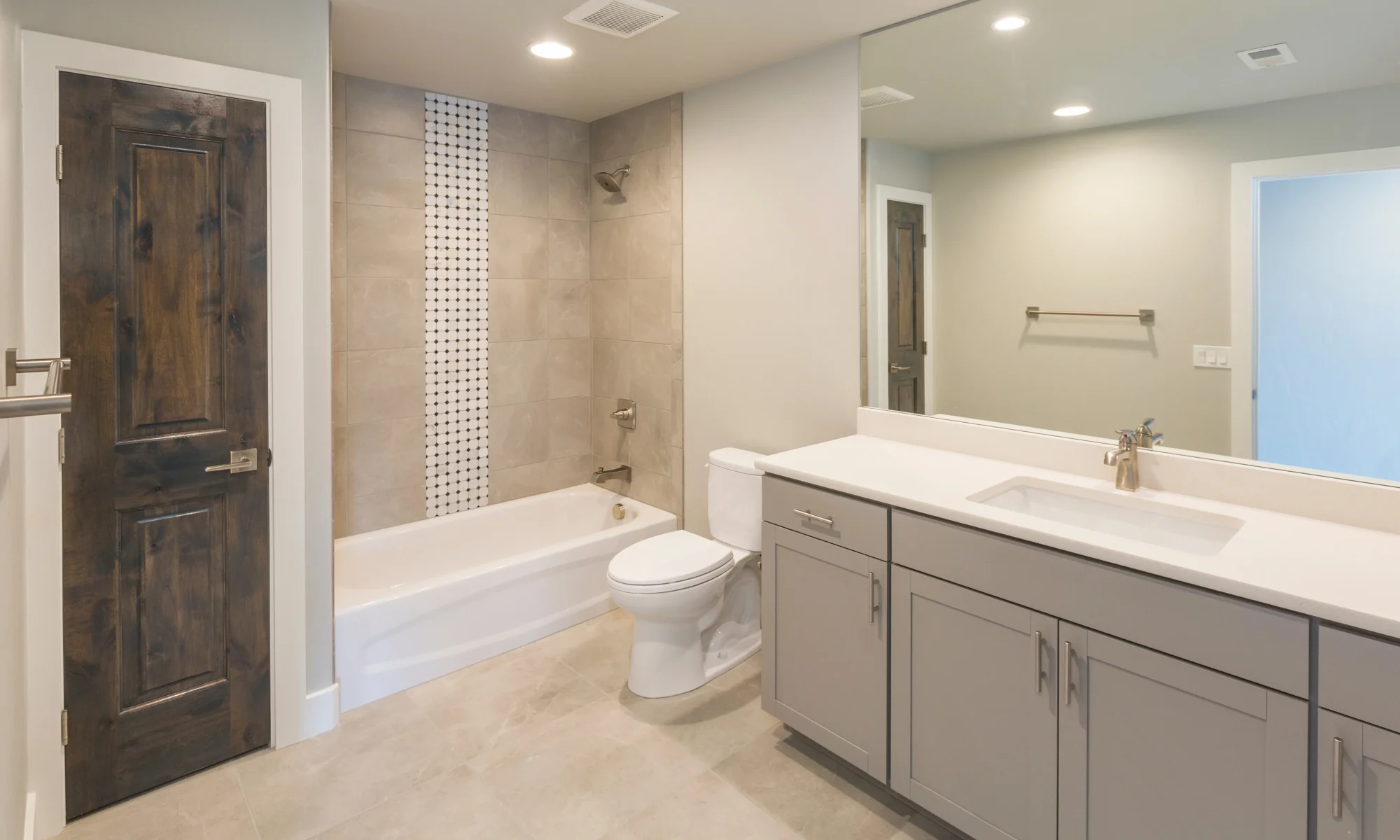
Selecting the right materials is pivotal in bathroom remodeling, as it impacts both aesthetics and functionality. Unfortunately, many homeowners make the mistake of prioritizing style over substance, leading to issues like poor durability, maintenance hassles, and mismatched designs. Drawing lessons from professional remodelers, this post explores common material selection mistakes in bathroom remodeling near me in Naperville and provides guidance on making informed choices that stand the test of time.

1. Opting for Low-Quality Tiles

Tiles are a cornerstone of bathroom design, but choosing low-quality options can result in problems down the line.

  1. Durability Issues: Cheaper tiles may crack, chip, or become discolored over time, especially in high-moisture areas like showers.
  2. Installation Problems: Inferior tiles can be difficult to install correctly, leading to uneven surfaces and potential water damage.

Pro Tip: Invest in high-quality ceramic, porcelain, or natural stone tiles that offer durability and aesthetic appeal. Consult with professionals to ensure proper installation.

2. Selecting Inappropriate Countertop Materials

The bathroom countertop is another critical surface that requires careful material selection.

  1. Susceptibility to Moisture: Materials like laminate can warp or stain when exposed to water and humidity.
  2. Maintenance Demands: Some materials require frequent sealing or special cleaning products to maintain their appearance.

Pro Tip: Choose moisture-resistant materials such as quartz, granite, or solid surface countertops. These options offer durability, ease of maintenance, and a wide range of design possibilities.

3. Ignoring Ventilation and Moisture-Resistant Materials

Bathrooms are prone to high humidity and moisture, making material selection crucial for longevity.

  1. Non-Moisture-Resistant Paint: Standard paints can peel, bubble, or develop mold in humid environments.
  2. Wood in High-Moisture Areas: Traditional wood can warp or rot unless properly treated and maintained.

Pro Tip: Use moisture-resistant paints like semi-gloss or satin finishes that repel water and are easy to clean. For cabinetry and other wood elements, opt for marine-grade plywood or engineered wood designed for high-moisture areas.

4. Overlooking Flooring Options

Flooring in bathrooms must withstand constant exposure to water and foot traffic.

  1. Using Soft Flooring Materials: Carpets or non-waterproof vinyl can harbor mold and are difficult to keep clean.
  2. Inappropriate Tile Choices: Large tiles may be slippery when wet, while very small tiles can create a cramped appearance.

Pro Tip: Select slip-resistant flooring materials such as porcelain or ceramic tiles, natural stone, or luxury vinyl planks designed for wet environments. Ensure that the tiles are appropriately sized for your bathroom’s scale and style.

5. Choosing Fixtures Without Considering Compatibility

Fixtures should not only match the bathroom’s aesthetic but also be compatible with the chosen materials.

  1. Mismatched Styles: Mixing outdated fixtures with modern materials can create a disjointed look.
  2. Incompatible Materials: Using metals that rust or corrode in a bathroom setting can lead to damage and unsightly stains.

Pro Tip: Coordinate fixtures with the overall design theme and ensure they are made from materials suitable for high-moisture environments, such as stainless steel, brass, or chrome finishes.

Choosing the right materials is a fundamental aspect of a successful bathroom remodel. Avoiding common pitfalls like opting for low-quality tiles, selecting inappropriate countertops, ignoring moisture-resistant options, overlooking suitable flooring, and mismatching fixtures ensures that your bathroom remains beautiful and functional for years to come. By learning from the pros and making informed material choices, you can create a bathroom space that combines style, durability, and ease of maintenance, providing lasting satisfaction and value.

Window Replacement Near Me in Libertyville | Hetman Enterprises

Upgrading your windows can significantly enhance your home’s energy efficiency, aesthetics, and overall comfort. If you’re searching for window replacement near me in Libertyville, here’s a guide to help you select the right provider for a seamless and high-quality installation.

1. Local Expertise and Knowledge of Libertyville Homes
Choosing a contractor experienced in window replacement near me in Libertyville ensures you’re working with professionals familiar with the architectural styles and climate of the area. Local experts can recommend the best materials and designs to suit Libertyville’s seasonal weather while complementing your home’s unique character.

2. Wide Range of Window Options
A reliable provider should offer a variety of window styles and materials, including:

  • Vinyl Windows: Affordable, durable, and low-maintenance.
  • Wood Windows: Provide a classic, natural look with excellent insulation.
  • Fiberglass Windows: Highly durable and energy-efficient, suitable for diverse climates.
  • Aluminum Windows: Lightweight and modern, perfect for contemporary designs. Having access to various styles, such as double-hung, casement, bay, or sliding windows, allows you to select the best fit for your home’s functionality and aesthetic appeal.

3. Energy Efficiency for Cost Savings
Energy-efficient windows are essential for reducing heating and cooling costs. When choosing window replacement near me in Libertyville, look for options with ENERGY STAR certification. Features such as double or triple glazing, low-E coatings, and insulated frames provide better thermal performance, helping to maintain indoor comfort while lowering utility bills.

4. Professional Installation for Optimal Results
Proper installation is crucial to ensure your new windows perform well and last for years. Select a contractor specializing in window replacement near me in Libertyville who employs skilled technicians to handle the installation process. Expert installation ensures a snug fit, preventing drafts, leaks, and alignment issues.

5. Transparent Pricing and Detailed Estimates
Reputable window replacement providers offer clear pricing and detailed estimates. Look for contractors who provide a breakdown of costs, including materials, labor, and additional services. Transparent pricing ensures you can budget effectively and eliminates unexpected expenses.

Conclusion
When searching for window replacement near me in Libertyville, prioritize local expertise, a variety of options, energy efficiency, skilled installation, and clear pricing. By focusing on these factors, you can ensure a successful window replacement project that enhances your home’s comfort, appearance, and value for years to come.

Siding contractors near me in Elmhurst


Investing in quality siding installation is more than just a cosmetic upgrade for your home; it’s a strategic move towards long-term energy savings and enhanced indoor comfort. While the initial cost of high-quality siding and professional installation may seem significant, the benefits in terms of reduced energy bills, increased home value, and lower maintenance costs make it a worthwhile investment. This blog post examines how quality siding installation can lead to substantial energy savings and other long-term benefits for homeowners.

Understanding the Energy Savings Potential

Quality siding contributes to your home’s energy efficiency by providing effective insulation, minimizing air leaks, and protecting against moisture intrusion. These factors collectively reduce the workload on your heating and cooling systems, leading to lower energy consumption and cost savings over time.

How Quality Siding Installation Saves Energy

  1. Enhanced Insulation
  2. Benefit: Properly installed siding with good insulating properties helps maintain a stable indoor temperature.
  3. Savings: Reduces the need for constant heating in the winter and cooling in the summer, leading to lower energy bills.
  4. Reduced Air Leaks
  5. Benefit: Quality installation ensures that siding fits tightly with minimal gaps and seams.
  6. Savings: Prevents drafts and heat loss, enhancing the efficiency of your HVAC systems and reducing energy usage.
  7. Moisture Control
  8. Benefit: Effective siding installation includes moisture barriers and proper ventilation, protecting your home from water damage.
  9. Savings: Prevents energy loss caused by moisture-related issues, such as mold growth and compromised insulation.
  10. Durability and Longevity
  11. Benefit: High-quality siding materials and expert installation extend the lifespan of your exterior.
  12. Savings: Reduces the frequency and cost of repairs or replacements, providing ongoing energy efficiency benefits.
  13. Thermal Mass and Reflectivity
  14. Benefit: Some siding materials offer thermal mass or reflectivity, helping to manage heat gain and loss.
  15. Savings: Minimizes the need for excessive heating and cooling, further lowering energy consumption.

Additional Long-Term Benefits

  1. Increased Home Value
  2. Quality siding is an attractive feature for potential buyers, often leading to higher property values and faster sales.
  3. Lower Maintenance Costs
  4. Durable siding materials require less frequent maintenance and repairs, saving you time and money in the long run.
  5. Environmental Impact
  6. Improved energy efficiency reduces your carbon footprint, contributing to a more sustainable lifestyle.
  7. Enhanced Comfort
  8. Consistent indoor temperatures and reduced drafts enhance overall living comfort, making your home a more pleasant place to live.

Choosing the Right Siding Contractors for Long-Term Savings

To maximize the energy savings and benefits of your siding investment, it’s essential to work with experienced siding contractors who prioritize quality and efficiency. Look for siding contractors near me in Elmhurst who:

  1. Have a proven track record of successful installations
  2. Use high-quality materials from reputable manufacturers
  3. Follow industry best practices and building codes
  4. Provide comprehensive warranties and post-installation support

Quality siding installation is a smart investment that offers significant long-term energy savings and enhances your home’s overall value and comfort. By selecting the right siding materials and partnering with skilled siding contractors, you can ensure that your home remains energy-efficient, cost-effective, and comfortable for years to come. Don’t overlook the impact of your home’s exterior—choose wisely and enjoy the benefits of a well-insulated and beautifully finished home.

Window treatments near me in Wilmette


Looking for ideas to layer your window treatments near me in Wilmette? We’ve compiled some inspiring combinations that showcase how layering can transform your space. Use these examples as a starting point to create your own stylish window treatments.

1. Sheer Curtains with Blackout Shades

  1. Best For: Bedrooms and media rooms.
  2. Why It Works: Sheers provide softness and diffused light during the day; blackout shades ensure complete darkness when needed.

2. Roman Shades with Floor-Length Drapes

  1. Best For: Living rooms and dining areas.
  2. Why It Works: Roman shades offer a tailored look, while drapes add elegance and drama.

3. Bamboo Shades with Linen Curtains

  1. Best For: Spaces with a natural or bohemian vibe.
  2. Why It Works: The texture of bamboo shades pairs beautifully with the lightness of linen curtains.

4. Cellular Shades with Valances

  1. Best For: Energy-efficient homes.
  2. Why It Works: Cellular shades provide insulation, and valances add a decorative top layer.

5. Shutters with Decorative Drapes

  1. Best For: Traditional and classic interiors.
  2. Why It Works: Shutters offer a sturdy, timeless look, while drapes soften the edges and add warmth.

These stunning examples illustrate the versatility of layered window treatments. Whether your style is modern, traditional, or eclectic, there’s a combination that’s perfect for your space. Don’t hesitate to mix and match to find the ideal look for your home.

Carpet cleaning near me in Oak Park


Carpets add to the comfort and visual appeal of your home, but they also act as filters for dust, allergens, and dirt brought in by foot traffic, pets, and environmental elements. Regular carpet cleaning is essential not only for maintaining your carpets’ appearance but also for ensuring a healthy living space. But how often should you arrange for professional carpet cleaning? The answer depends on various household factors such as pets, allergies, and the level of foot traffic. Let’s examine these factors to help determine the best carpet cleaning near me in Oak Park schedule for your home.

General Guidelines

Typically, carpet manufacturers and cleaning professionals recommend having your carpets professionally cleaned at least once a year. This frequency helps remove the buildup of dirt and allergens that regular vacuuming cannot eliminate. However, this is a general recommendation, and specific household conditions may require more frequent cleanings.

Factors Influencing Cleaning Frequency

  1. Pets in the Household

    Pets bring joy but also contribute to carpet dirt and allergens.

  2. Shedding and Dander: Pets shed hair and skin cells that accumulate in carpet fibers.
  3. Accidents and Odors: Pets may have occasional accidents or leave natural odors in carpets.
  4. Recommended Cleaning Frequency:
  5. With Pets: Every 6 to 9 months.
  6. Multiple Pets or High-Shedding Breeds: Every 3 to 6 months.
  7. Allergies and Respiratory Health

    If someone in your home has allergies, asthma, or other respiratory issues, cleaner carpets can significantly improve indoor air quality.

  8. Allergen Accumulation: Dust mites, pollen, and pet dander can get trapped in carpets.
  9. Recommended Cleaning Frequency:
  10. Allergy Sufferers: Every 3 to 6 months.
  11. Severe Allergies or Sensitivities: Every 2 to 3 months.
  12. Foot Traffic Volume

    The amount of foot traffic your carpets endure affects how quickly they become dirty.

  13. High Traffic: Large families, frequent visitors, or home-based businesses increase dirt buildup.
  14. Children at Home: Kids are more likely to spill, track in dirt, and cause wear.
  15. Recommended Cleaning Frequency:
  16. High Traffic Areas: Every 6 months.
  17. Moderate Traffic: Every 9 to 12 months.
  18. Low Traffic: Every 12 to 18 months.
  19. Indoor Smoking

    Smoking indoors leads to the accumulation of smoke residues and odors in carpets.

  20. Smoke Particles: These settle into carpet fibers, impacting air quality and causing discoloration.
  21. Recommended Cleaning Frequency:
  22. Indoor Smokers: Every 6 months.
  23. Warranty Requirements

    Some carpet warranties require professional cleaning at specific intervals to remain valid.

  24. Manufacturer Guidelines: Not adhering to these can void your warranty.
  25. Recommended Cleaning Frequency:
  26. As Per Warranty Terms: Typically every 12 to 18 months.

Benefits of Regular Professional Carpet Cleaning

  1. Improved Air Quality: Removes pollutants and allergens trapped in the carpet.
  2. Extended Carpet Lifespan: Regular maintenance prevents premature wear.
  3. Enhanced Appearance: Keeps carpets looking fresh and vibrant.
  4. Odor Removal: Tackles smells from pets, spills, and smoke.
  5. Healthier Home Environment: Reduces the risk of mold and bacterial growth.

Maintaining Carpets Between Professional Cleanings

  1. Frequent Vacuuming: At least once a week, more often in high-traffic areas.
  2. Immediate Spill Management: Blot spills promptly to prevent stains.
  3. Use of Doormats and Rugs: Minimizes the amount of dirt entering your home.
  4. Implement a No-Shoes Policy: Reduces dirt and wear by leaving shoes at the door.
  5. Regular Pet Grooming: Decreases shedding.

The frequency of professional carpet cleaning depends on your household’s unique factors. By considering the presence of pets, allergy sufferers, foot traffic, and other specific conditions, you can establish a cleaning schedule that maintains your carpets’ appearance and promotes a healthier living environment. Regular professional carpet cleaning is an investment in your home’s longevity and your family’s well-being.